Your Hands Could Save a Life: Why CPR Belongs in Your Wellness Routine
At the DAC, we spend a lot of time talking about how to care for your own heart: the miles on the treadmill, the laps in the pool, and the strength work that keeps you moving for years to come. This December, we’re turning that conversation outward. With a Life-Saving Ceremony on 12/9 and a community CPR class on 12/14, we’re asking a simple question: if someone near you collapsed today, would you know what to do?
Every Second Counts
Cardiac arrest is not the same as a heart attack. A heart attack is a circulation problem, when a blockage keeps blood from reaching part of the heart. Cardiac arrest is an electrical problem: the heart suddenly stops beating. According to the American Heart Association (AHA), more than 350,000 cardiac arrests happen outside of hospitals in the United States each year.
What happens in the first few minutes matters most. The AHA reports that immediate CPR can double or triple a person’s chance of survival, and that without CPR, survival rates drop by about 10% with each minute that passes. Meanwhile, the average ambulance takes about seven minutes to arrive after a 911 call. Those first minutes belong to whoever is standing nearby.
You Don’t Have to Be a Medical Professional
According to the AHA, about two out of three people believe only those with special training should perform CPR, and fewer than half of bystanders step in. The good news is that anyone can learn the basics in an afternoon. Hands-Only CPR, which the AHA recommends for adults and teens, comes down to two steps: call 911, then push hard and fast in the center of the chest, at least two inches deep, until help arrives.
An AED (automated external defibrillator) is just as approachable. Once it’s turned on, the device talks you through each step, and it only delivers a shock when one is needed. Every DAC employee is required to be AED and CPR certified, because we believe readiness is part of taking care of our community.
Where to Find an AED at the DAC
The Club keeps two AEDs on site:
- Near the time clock room
- Near Newberry Preschool
Take a moment on your next visit to notice where they are. Knowing the location ahead of time saves precious seconds.
If Someone Collapses at the Club
Our team trains for this moment, and you can help them move fast. Here’s what happens:
- Alert our team right away. Find the nearest DAC employee or call the Welcome Desk, and say clearly that it’s an emergency. Our staff will immediately reach the Manager on Duty (MOD).
- Call 911. If the person is unresponsive or isn’t breathing normally, call 911 or ask someone nearby to call. Stay calm, give your name and location (999 Willamette Street), describe what happened, and stay on the line until the dispatcher tells you to hang up.
- Start CPR. If the person isn’t breathing normally, begin chest compressions right away: push hard and fast in the center of the chest.
- Get the AED. The Club Rep brings the closest AED and First Response kit to the scene. Turn the AED on and follow its voice prompts. It will only deliver a shock if one is needed.
- Keep the person still. Don’t move them unless their life is in immediate danger, such as from a fire or water.
- Let the most experienced responder lead. If someone with more training is on the scene, they’ll take over, and our Club Rep will direct everyone else.
- Stay until help arrives. Our team stays with the person and shares what happened with paramedics when they arrive.
You don’t need to be certified to make a difference. Calling for help, starting compressions, or simply bringing the AED can save a life.
Why It Belongs in Your Wellness Routine
We think of fitness as preparation: training today so you can hike, ski, lift your kids, or travel with ease tomorrow. CPR training is the same kind of preparation, except it’s for the people you love. The AHA reports that about 70% of cardiac arrests happen at home, which means the person you help is most likely someone in your own family.
Training also builds confidence. It replaces “what if” with a plan, and a plan is what helps people act instead of freeze.
Join Us This Month
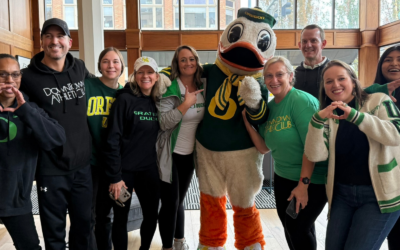
- Life-Saving Ceremony, 12/9: A private ceremony honoring the responders whose quick action helped save a life.
- AED, CPR + First Aid Training: Monday, 12/14 | 9am – 1pm. Led by Northwest Emergency Medical Training, with a discounted rate for DAC members at $75. Email Tracy at ttrotter@nwmedicaltraining.com to reserve your spot.
Four hours is less time than a week of workouts, and it may be the most important training you do all year.
This article is for general information and is not a substitute for certified CPR training.
Sources: AHA CPR Facts & Stats; AHA Heartsaver General CPR Stats; AHA Nation of Lifesavers Key Messages 2026; AHA News: CPR is key to survival; AHA Newsroom: CPR and 2025 Guidelines
________________________________________________________________
The information shared on the Downtown Athletic Club’s blog is intended for educational and inspirational purposes only and should not be considered medical advice.
The Downtown Athletic Club (DAC) has been Eugene’s locally owned, family-operated health club for over 40 years. Under one roof you’ll find a full Gymnasium, cardio and strength floor, group exercise classes, small group training, a Lap Pool, warm-water therapy pool, Downtown Pilates Studio, Newberry Preschool, KidStop Daycare, and most recently an Official HYROX Training Club. Locally owned means we get to build a Club around the community we’ve built, and continue to build.
Ready to experience it for yourself? Enjoy a complimentary guest pass and come see why so many Eugene families call the DAC home. We’re located at 999 Willamette St, Eugene, OR 97401. Give us a call at 541-484-4011 anytime.